
Packaging is often treated like a container.
Tariffs are easy to talk about in hindsight. They show up after the quote is signed, after the program is launched, after the production schedule is locked. And by the time the landed cost changes, the argument is no longer theoretical. It is operational.
For many OEMs and Tier 1 suppliers, packaging has historically been treated as a commodity. Source it cheaply, ship it in, keep the line moving. But the last several years have made one point hard to ignore: packaging is not just packaging. It is a physical dependency inside your supply chain. When it is late, inconsistent, or suddenly more expensive, it impacts production continuity, quality, and working capital.
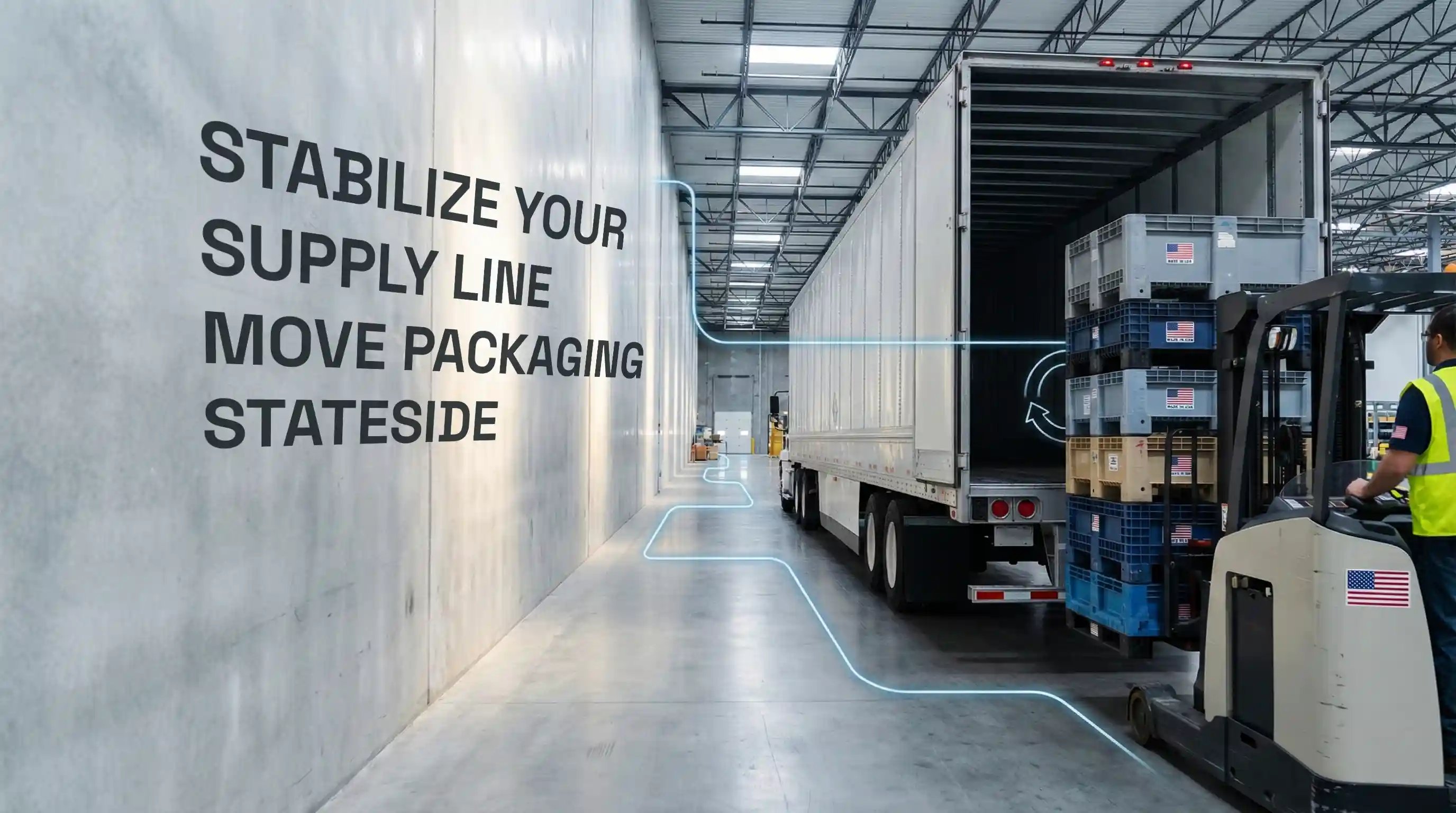
That is why more manufacturers are revisiting a simple strategy that delivers outsized results: moving critical dunnage and returnable packaging stateside.
Not as a slogan. As a risk posture.
Tariffs are only the headline
Tariffs get the attention because they are visible. They can change quickly, they hit the budget directly, and they are hard to “engineer around” once your sourcing lane is established.
But the bigger issue is the uncertainty tariffs represent: trade policy swings, customs friction, compliance complexity, and sudden landed-cost variability that procurement teams cannot stabilize with a better spreadsheet.
Domestic sourcing does not eliminate every cost variable, but it shifts your risk profile in a way global sourcing cannot. It replaces long, opaque lanes with shorter, more controllable ones, and it pulls more of your packaging value-add inside the same operating environment as your production system.
The real prize is supply continuity
If your production line depends on a specific tray, insert, tote, separator, or dunnage set, then packaging is not a “supply item.” It is production equipment. And production equipment cannot be treated like a commodity.
Stateside packaging and dunnage improves continuity in four practical ways.
1) Lead times get shorter and more reliable
International lanes carry variability by default: port congestion, container availability, inspection holds, documentation issues, and weather disruptions that compound across thousands of miles.
When production is domestic, the lead time is not just shorter. It is more predictable. That predictability reduces firefighting and lowers the need to carry excess buffers “just in case.”
2) Engineering response time collapses from weeks to days
Dunnage is rarely static. Programs evolve. Part geometry changes. Automation requirements tighten. Cosmetic sensitivity increases. Packaging that once worked becomes marginal, then becomes a problem.
Domestic suppliers can iterate faster because design, prototyping, and corrective action are closer to the plant floor. The feedback loop tightens. The program stabilizes faster.
3) Quality control improves because accountability is immediate
When packaging failures happen, they cascade:
- part damage and scrap
- cosmetic defects and chargebacks
- line stoppages and delayed shipments
- emergency expediting and containment costs
Domestic sourcing makes corrective action faster and more practical. Issues can be diagnosed, validated, and fixed with less lag and less ambiguity.
4) Inventory can be engineered down
Long lead times force large orders. Large orders create inventory. Inventory creates cost and obsolescence risk.
With stateside replenishment, many teams can reduce safety stock, shift to smaller and more frequent buys, and avoid being trapped with packaging that no longer matches the program.
Why returnable packaging changes the conversation
If expendable packaging is about cost per shipment, returnable packaging is about cost per cycle. That moves the decision from procurement into operations, quality, and logistics.
Returnables only deliver value when four realities are true:
- they survive real handling abuse
- they maintain protection and fit across cycles
- they support stable stacking and cube efficiency
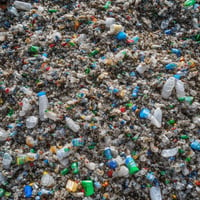
- they have an end-of-life pathway that is not landfill
This is where domestic sourcing becomes more than a tariff story. A returnable program is a system. Systems demand control, iteration, and lifecycle governance. Domestic supply makes that governance possible.
The trap OEMs and Tier 1s still fall into: piece price procurement
There is a reason offshore packaging can look compelling on paper. Piece price is visible. Total cost is not.
The hidden costs that erode offshore “savings” tend to arrive as:
- damage and scrap
- line inefficiency and labor waste
- expediting and premium freight
- inventory carrying cost
- replacement rates and fleet losses
- program management overhead
- delayed corrective action
The better question is not “What is the unit price?”
It is “What does this packaging program cost us to run for the next 24 months?”
That question usually favors the supplier who can protect uptime, respond quickly, and engineer packaging as a durable system.
Density is the most underused lever in packaging ROI
Once continuity is stabilized, the next major lever is density. If you can safely move more parts per trip, you reduce:
- freight cost per part
- handling touches
- warehouse footprint pressure
- dock congestion and scheduling strain
Density is not just “pack more.” It is a disciplined design effort: stack behavior, stability, part orientation, protection surfaces, and repeatable pack patterns that stay consistent under real-world handling.
This is where engineered dunnage and modular packaging architecture often wins over generic, one-off solutions.
Sustainability is no longer marketing, it is governance
OEMs and Tier 1s are being asked to show proof: proof of recycled content, proof of recyclability, proof of end-of-life outcomes.
For returnable packaging, the sustainability discussion becomes more concrete:
- How long does it last?
- How is it repaired or replenished?
- What happens when it reaches end-of-life?
- Who owns that responsibility?
A credible program has an answer before launch, not after the packaging has accumulated in a corner of a warehouse.
What a “best-in-class” stateside packaging partner actually provides
A true domestic partner is not just a manufacturer. The best suppliers bring:
- packaging system engineering, not just fabrication
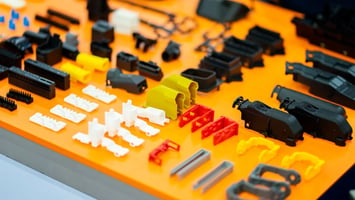
- rapid prototyping and iteration
- modular architectures that reduce SKU complexity
- density optimization and stable stacking design
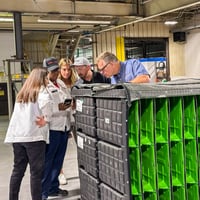
- operational realism: line trials, handling behavior, lifecycle performance
- a defined end-of-life pathway
In other words: packaging that behaves like a controlled asset, not a recurring problem.
Why Vantage Plastics fits the stateside mandate for OEMs and Tier 1s
Vantage Plastics is built around a simple promise: engineered, production-ready packaging systems that reduce risk and improve performance for US supply chains.
As a US supplier of dunnage solutions and returnable packaging, we help OEMs and Tier 1 suppliers reduce tariff exposure and stabilize their supply lines with:
- Engineered dunnage and returnable packaging designed for real handling, automation, and protection needs
- Stacking column systems that standardize stack behavior and enable scalable packaging architecture
- VanStack density solutions to improve cube efficiency and reduce cost per part moved
- VanTech®, a TPU alternative approach designed for demanding protection and durability use cases
- Guaranteed Buy Back, providing a defined end-of-life recycling pathway so your packaging program has a credible, managed lifecycle outcome
If your organization is evaluating a move to domestic dunnage and packaging, the best place to start is not a massive overhaul. It is a targeted review of the SKUs that create the most cost and risk: the ones that drive damage, instability, expediting, or line sensitivity.
Vantage Plastics can help you identify those high-impact programs, redesign for density and durability, and build a stateside packaging system that protects uptime while reducing total cost over the full lifecycle.